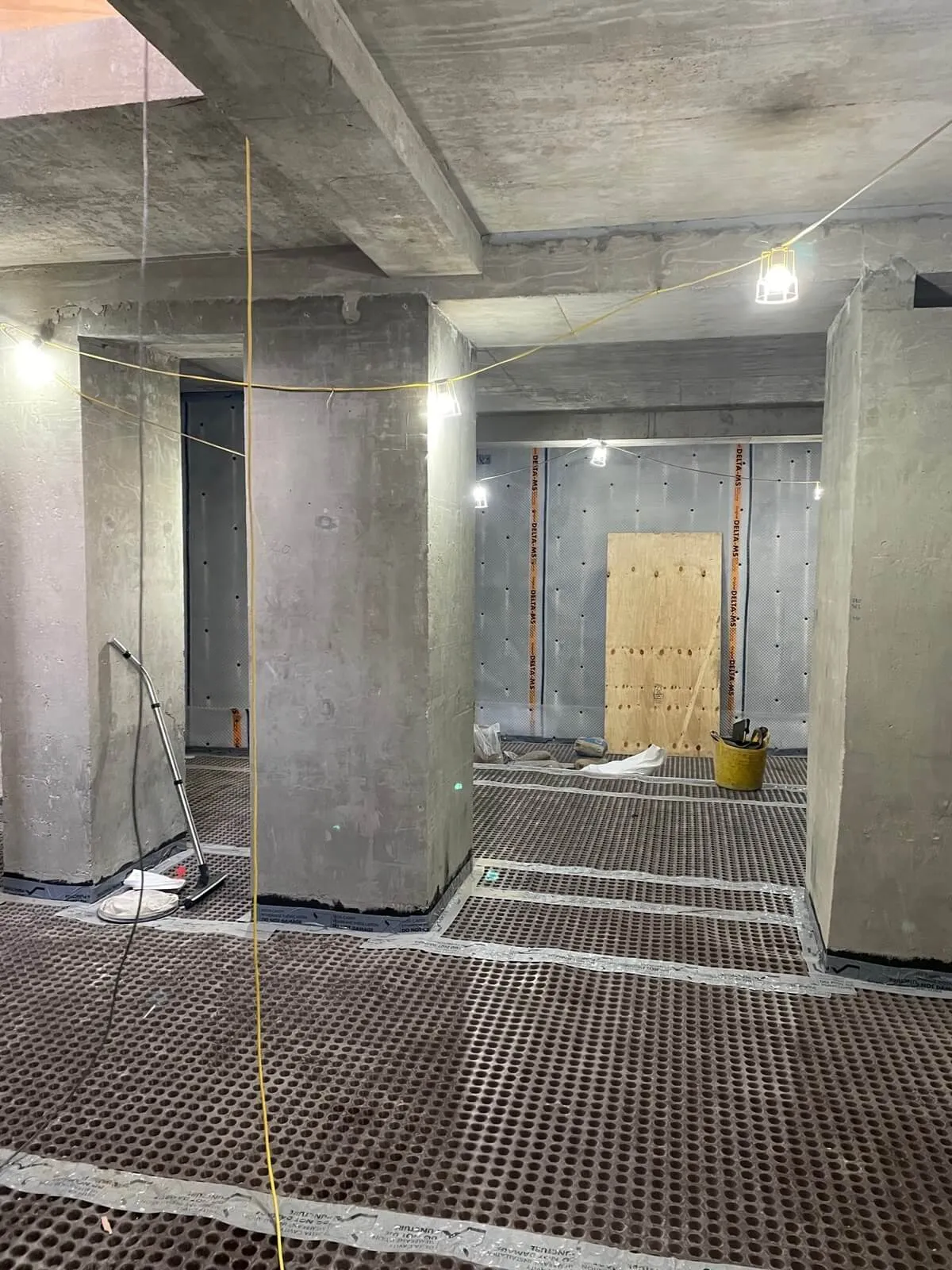

Modern basement projects require careful engineering and reliable waterproofing to ensure long-term safety and durability. Proper foundation waterproofing is one of the most important parts of basement construction because underground spaces are constantly exposed to groundwater and surrounding soil moisture. Without strong waterproofing and structural support, basements may develop leaks, dampness, or long-term structural damage. Homeowners and developers increasingly invest in professional basement systems to create additional living space while protecting buildings from environmental pressure and structural movement. Safe construction methods help improve property value, functionality, and long-term building performance.
Why Waterproofing Matters in Basement Projects
Basements are naturally more vulnerable to water penetration because they are built below ground level. Rainwater, groundwater pressure, and poor drainage can lead to dampness and leaks if proper waterproofing systems are not installed. Waterproofing creates a protective barrier around basement walls and floors to prevent moisture from entering the structure.
Effective moisture control also helps reduce mould growth, unpleasant odours, and long-term material damage. A professionally waterproofed basement remains dry, comfortable, and suitable for living or storage purposes while protecting the overall structural condition of the property over time.
How Basement Tanking Protects Underground Spaces
Basement tanking is a common waterproofing method used to stop water from entering underground structures. This process involves applying waterproof membranes or coatings to basement walls and floors to create a watertight seal. Tanking systems help prevent leaks and moisture buildup caused by groundwater pressure surrounding the property.
Contractors carefully assess drainage conditions and foundation requirements before selecting suitable waterproofing solutions. Properly installed basement tanking systems improve structural durability while helping homeowners avoid future repair costs associated with water damage and damp conditions inside underground spaces.
The Role of Structural Works in Basement Safety
Reliable structural works are essential for maintaining building stability during basement construction and excavation projects. Structural reinforcement systems help support existing properties while underground space is being created beneath them. Engineers evaluate soil conditions, foundation strength, and building loads before construction begins.
Structural support methods may include underpinning, retaining walls, concrete reinforcement, and steel supports to prevent movement or cracking during excavation. Professional structural planning improves safety throughout the project and helps ensure the completed basement remains stable and secure for long-term use.
Why Basement Underpinning Is Important
Basement underpinning strengthens existing foundations so they can support deeper excavations and additional structural loads safely. This process is especially important in older buildings where original foundations may not be strong enough for basement development. Underpinning improves stability during construction while reducing the risk of settlement or structural movement later.
Contractors use engineered underpinning systems designed specifically for the building and soil conditions involved. Proper underpinning provides long-term support for basement projects and helps maintain the safety and structural integrity of the property during and after construction work.
How Concrete Piling Supports Construction
Concrete piling provides additional foundation support in basement projects where ground conditions require deeper structural reinforcement. Piles transfer building loads to stronger soil layers below the surface, helping improve stability and reduce movement risks.
This method is often used in larger or technically challenging basement developments. Engineers design piling systems carefully based on soil analysis and excavation requirements. Properly installed concrete piling supports safer construction and improves long-term structural performance for both residential and commercial basement projects.
The Importance of Structural Steelwork
Structural steelwork is widely used during basement construction to strengthen buildings and support excavation work safely. Steel beams and support systems distribute structural loads evenly while allowing contractors to create open and functional basement spaces.
Temporary steel supports may also be installed during excavation to protect surrounding buildings and maintain stability. Professionally designed steel systems improve construction safety and help ensure underground structures remain strong and durable after project completion.
Why Façade Retention Is Used in Urban Areas
Façade retention is commonly used in urban construction projects where preserving a building’s external appearance is important. This method allows contractors to maintain historic or architecturally valuable façades while carrying out major structural work behind them.
Temporary support systems hold the façade securely in place during excavation and rebuilding. Façade retention helps preserve the visual character of buildings while allowing modern basement construction to continue safely and efficiently.
Conclusion
Foundation waterproofing and structural reinforcement are essential for safe and durable basement construction projects. Proper tanking systems, underpinning, piling, and steel reinforcement all help protect underground spaces from moisture damage and structural movement. Careful planning and professional engineering improve safety throughout excavation and construction while supporting long-term building performance.
High-quality materials and experienced contractors are critical for achieving reliable results in modern basement developments. Property owners seeking professional basement construction and waterproofing solutions often work with specialists like BH Basements for safe, efficient, and structurally secure underground construction projects.

