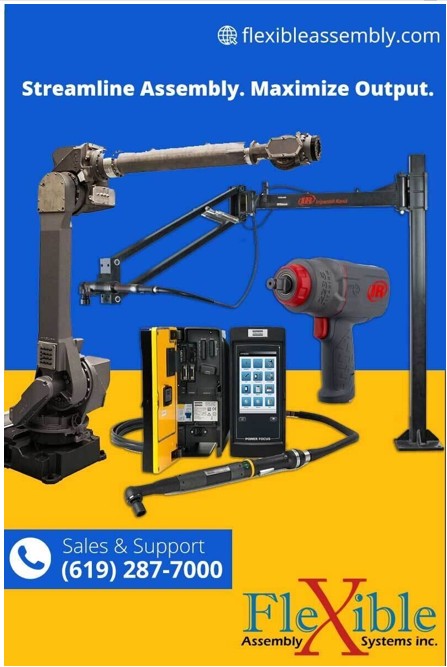

Hardware inconsistency plagues modern production floors. Operators drift away from strict baseline procedures over extended time periods. Production managers fight a constant operational battle against assembly deviation. When mechanics ignore these small deviations, minor hardware errors quickly compound into massive product failures. You need robust mechanical systems to establish absolute hardware control. Let us review exact methods to achieve zero defect production on your shop floor.
Evaluate Manual Hardware Specifications
Review the manual components on your assembly floor currently. Mechanics require highly accurate mechanisms to avoid stripped metal threads. Basic wrenches fail to provide measurable force feedback to the operator. Modern digital devices output exact numerical data upon cycle completion. This specific numerical data preserves rigid component integrity and prevents raw material waste.
Consider the Torque Screwdrivers your dedicated technicians use daily. A modern mechanical driver disengages at a predetermined physical force limit. Plant operators cannot apply excess pressure to delicate screw heads intentionally or accidentally. You must remove operator guesswork from the assembly equation entirely. Preset drivers lock the specified physical output force securely. The mechanic simply rotates the tool handle until the internal mechanism slips.
Establish Strict Operational Directives
Rigid protocols dictate ultimate success on an industrial facility floor. Record every single physical step of the product build sequence. You must leave zero room for subjective human interpretation.
- Assign specific pneumatic devices to specific physical workstations.
- Document the precise force limit for every single metal joint.
- Log every mechanical tool adjustment in a master central database.
- Direct all new operators on exact equipment usage protocols.
Rigidity generates absolute confidence across your technical labor staff. Your team will know exactly what physical actions to execute daily. Doubt leads directly to destructive component failures and scraped parts. Clear written instructions prevent these expensive repetitive production mistakes completely.
Quantify Output Accuracy Frequently
How do you guarantee your hardware functions correctly under pressure? Industry standards mandate frequent physical tool audits to measure true capability. You cannot rely on basic annual maintenance schedules alone to protect your product. Internal steel springs lose their programmed resting tension after repeated mechanical cycles. Frequent equipment verifications catch mechanical degradation before physical product damage occurs.
Implementation of electronic Torque Testers allows continuous accuracy verification. A verification unit measures the exact rotational mechanical force safely. You insert the active pneumatic driver into the metal receptor mechanism. The digital display shows the true mechanical output your tool achieved. You adjust the driver mechanics if the measured output falls short.
Baseline Verification Schedules
Here is a standardized calibration timetable for industrial floors:
| Equipment Category | Verification Frequency | Acceptable Deviation |
| Manual Click Wrench | Daily | +/- 4% |
| Preset Mechanic Tool | Weekly | +/- 3% |
| Heavy Pneumatic Gun | Shift Change | +/- 5% |
This table presents a basic operational minimum for factory deployment. Your specific isolated facility may demand much tighter internal tolerance limits. Do not ignore these scheduled mechanical audits because they protect your bottom line. They protect you from catastrophic unit failures and consumer product recalls.
Standardize Physical Operator Motions
Every human operator presents a uniquely different physical approach to manual labor. One worker pulls the tool lever with sudden aggressive force. Another technician pushes steady blunt pressure against the metal hardware joint. These physical variations degrade your final consumer product quality measurably. You must standardize operator physical motions perfectly across the entire facility.
Mandate specific physical hand grips and strict geometric tool approach angles. The metal driver must remain totally perpendicular to the target surface always. Slanted tool approaches cause severe mechanical friction spikes during the rotation. The internal mechanism senses this false resistance and it stops the cycle prematurely. The screw remains physically loose despite the successful cycle completion signal. Teach your technical staff to hold absolute perpendicular angles without deviation.
Document Workspace Organization Layouts
Human memory fails occasionally but physical paper records remain absolute. Write down the exact preparation steps for every active workstation. Provide clear digital photographs of the mandated physical bench layout. Operators should see exactly where every component belongs before they begin work. Physical bench clutter ruins mental focus on the mechanical assembly task. A properly disciplined workstation speeds up daily production target completion.
Enforce a strict safety checklist before any production shift commences.
- Verify baseline pneumatic line pressure levels.
- Inspect metal tool bits for structural wear or chips.
- Review specific daily target unit production quotas.
- Complete the physical shift transition logbook signature.
Organized technicians produce superior final components consistently and safely.
Manage Material Yield Limits
Different metallic alloys react differently under extreme physical pressure. Solid steel bolts generally hold their geometric shape exceptionally well. Soft aluminum threads shear apart rapidly under minimal mechanical stress. Brittle plastic enclosures crack loudly when forced past their physical design limit. You must match the physical hardware output to the base shell material. An exact steel force specification will destroy a plastic component instantly.
Mechanical design professionals calculate these physical yield limits precisely. They publish a firm numerical target specification for the production floor. Your factory mechanics must adhere strictly to that exact mathematical number. A cracked outer unit casing means a completely scrapped internal board. This error destroys both raw physical materials and your allocated labor budget.
Track Component Cycle Metrics
Modern active facilities record every single mechanical action electronically. Smart computer setups capture every single rotational cycle instantly and accurately. A protected centralized server stores this exact physical data securely. You can trace a single unit bolt entirely back to a specific human operator. This digital footprint protects the company immensely during intense factory quality audits.
A consumer discovers a loose fastener on the final shipped product. They file a formal complaint about the manufacturing line defect. You review the internal computer records for that specific unit serial number. You see the tool applied the exact specified internal mechanical force. The joint failed due to a separate material structural flaw. The system data clears your production staff of any fault completely.
Execute Preventative Hardware Service
Physical mechanisms eventually deteriorate under heavy continuous industrial use. Steel ball bearings shatter after millions of high pressure mechanical cycles. Internal pneumatic air motors burn out from excessive friction heat. Schedule immediate physical service to prevent unexpected line closures and delays. Create a firm routine calendar for physical tool restorations and inspections.
Send worn equipment to a certified professional calibration laboratory. Technicians replace damaged internal metal components with fresh resilient parts. They lubricate the planetary gear structures thoroughly to reduce heat. They return the physical hardware back to you in optimal pristine condition. Broken tools halt the entire production line instantly and drain profits. Predictive scheduled maintenance eliminates this massive operational hazard entirely.
Utilize Clear Visual Indicators
Mental fatigue causes frequent physical mistakes during long daily production shifts. Add bold visual workflow guides to your active mechanical benches. Use brightly colored component bins to match specific fastener types. Match the plastic bin color to the assigned mechanical tool driver. Red metallic screws belong exclusively to the red pneumatic tool. Blue steel bolts associate specifically with the blue preset driver.
This intuitive system reduces cognitive load on your tired technicians. A fatigued operator simply matches the painted physical colors intuitively. Visual management methodologies accelerate manual assembly work exponentially. Set clear physical boundaries for tool placement areas on the table. Use bright fluorescent colored labels on all tool calibration stickers. Install transparent plastic Lexan covers over sensitive air pressure controls.
Regulate Ambient Factory Conditions
Temperature fluctuations alter how metallic materials behave on a microscopic level. Extreme summer heat expands solid steel structures measurably. Winter cold freezes shrink those exact same metallic components down. A joint secured tightly in winter might loosen dramatically by summer. You must control the ambient climate inside your production facility rigidly.
Compressed facility air systems also degrade from severe outside weather conditions. Humid atmospheric conditions add heavy water to internal factory pneumatic lines. Moisture rusts delicate internal steel safety valves rapidly. Install heavy duty mechanical air dryers immediately to combat this physical threat. Keep the physical air lines devoid of absolute moisture accumulation. Your pneumatic tool inventory will operate much longer without constant repair.
Why Choose Flexible Assembly Systems?
You require a robust supply partner with deep mechanical equipment knowledge. We supply entire tool setup solutions for modern production spaces. Our technical staff evaluates your current hardware setup extensively. We identify production bottlenecks and we suggest exact equipment substitutions.
Our catalog features dependable components for aggressive factory environments. We maintain a large accessible stock of heavy duty mechanical hardware. We also provide precision laboratory tool calibration services. Our technicians set your devices perfectly to exact designated specifications. You receive a formal certified physical document of mechanical accuracy. This document proves full procedural compliance to any facility safety auditor. We ship heavy items rapidly to prevent expensive line stoppages. Rely on us for dependable supply side logistics and technical support.

