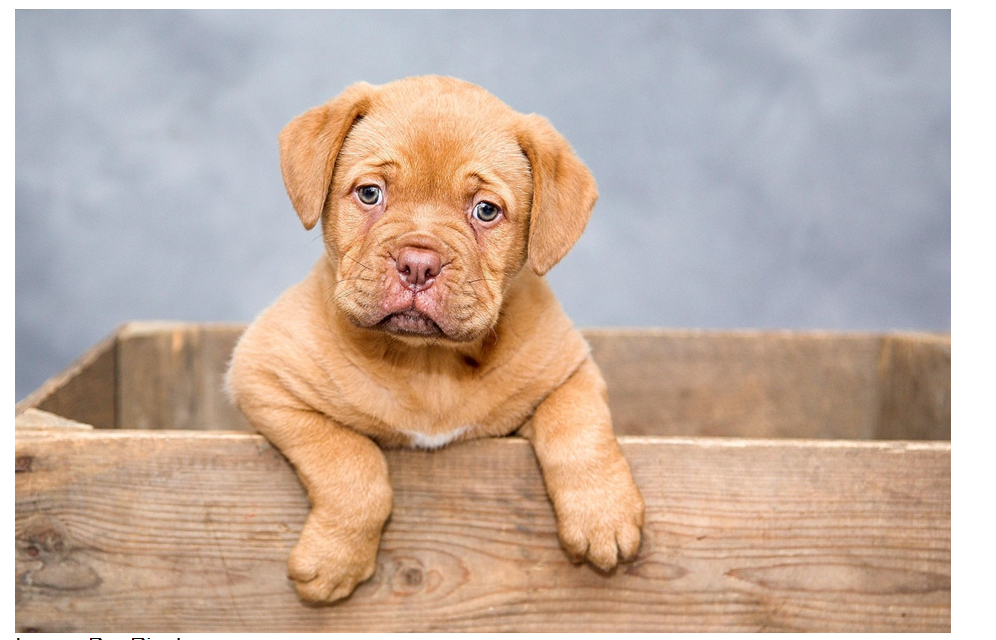

A strong pet hygiene routine is one of the most important ways to support your pet’s overall well‑being. Cleanliness isn’t just about appearance—it directly affects skin health, comfort, odor control, and long‑term wellness. Many owners find that simple, consistent habits can make a dramatic difference in their pet’s coat, breath, paws, and overall condition. Whether you’re caring for a dog, cat, or small companion animal, improving your hygiene practices can create a cleaner environment and a happier pet.
Brush Your Pet Frequently
Brushing is one of the easiest and most effective hygiene habits. It removes loose hair, reduces shedding, prevents matting, and spreads natural oils that keep coats shiny. Regular brushing also lets you detect bumps, tangles, fleas, or skin irritation early. Depending on the breed and coat type, pets may need daily brushing or a few sessions a week. For breeds with thick or long coats, professional dog grooming in Oviedo FL helps manage heavier shedding seasons and keeps coats healthy.
Create a Consistent Bathing Schedule
Bathing frequency depends on your pet’s coat type and lifestyle. Overbathing strips important oils, while underbathing leads to odor, buildup, and irritation. Using gentle, pet‑safe shampoos helps maintain moisture balance. Rinse thoroughly to avoid residue that can cause itching or hotspots. For cats and sensitive‑skinned pets, wipes and waterless shampoos help maintain freshness between full baths.
Maintain Clean Ears and Eyes
Ears and eyes require regular attention. Earwax, moisture, and debris can lead to infections and discomfort, especially in floppy‑eared breeds. Use vet‑approved ear cleaners and cotton pads—never cotton swabs inside the canal. Tear stains around the eyes should be gently cleaned with a damp cloth or pet wipe to avoid buildup and irritation.
Prioritize Oral Hygiene
Dental health is a major part of overall hygiene. Daily brushing, dental treats, and routine cleanings reduce tartar, protect gums, and prevent bad breath. Poor dental hygiene can lead to serious infections and even systemic illness, making consistent care essential.
Keep Paws, Nails, and Bedding Clean
Dirty paws bring bacteria into the home and cause irritation. Wiping paws after outdoor trips helps maintain hygiene and reduces allergens. Nail trimming prevents discomfort and posture issues. Regularly washing bedding, blankets, leashes, and collars prevents odor and contributes to a healthier environment.
Monitor Skin and Coat Condition
Healthy skin and coat are signs of good hygiene and overall wellness. Check for dryness, excessive shedding, dandruff, or redness. Address concerns early to avoid worsening issues. Allergies, parasites, or dietary imbalances may require veterinary guidance.
Conclusion
Improving your pet’s hygiene routine doesn’t require complicated steps—just consistency and attention to detail. With regular brushing, proper bathing, ear and dental care, and clean living spaces, your pet will enjoy better comfort and health. A strong hygiene routine increases quality of life and helps your pet feel their very best every day.

