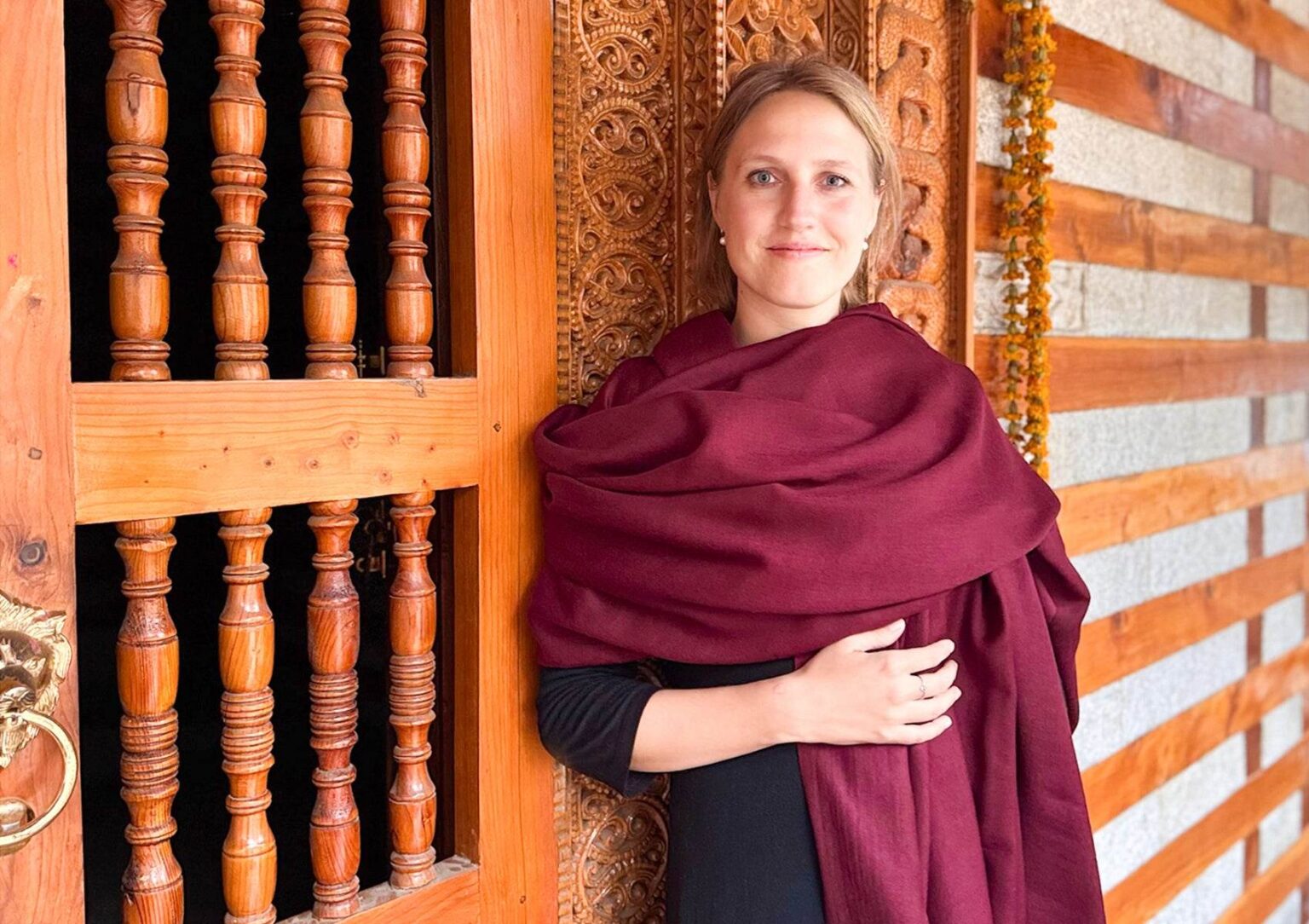

Fashion constantly evolves, but some pieces remain timeless. One such accessory is the ethnic scarf. Found in cultures across the world, ethnic scarves have long symbolized tradition, identity, and elegance. From ancient civilizations to modern runways, this versatile accessory has undergone remarkable transformations. Today, it continues to bridge the gap between cultural heritage and contemporary fashion.
A Symbol of Culture and Tradition
Historically, ethnic scarves were more than simple accessories. They carried deep cultural meaning and were often worn to represent social status, community identity, or religious values. In South Asia, the dupatta became an essential part of traditional attire, paired with outfits like shalwar kameez and lehengas. Similarly, in the Middle East, scarves served both aesthetic and practical purposes, offering protection from harsh climates while maintaining modesty.
In many regions, the patterns, embroidery, and fabrics used in scarves told stories of craftsmanship passed down through generations. Artisans carefully created these textiles using handwoven techniques, natural dyes, and intricate embellishments. As a result, scarves were not only fashion items but also cultural artifacts that reflected local traditions.
From Traditional Garment to Fashion Statement
Over time, the ethnic scarf began to transcend its traditional role. Globalization and cultural exchange allowed fashion designers to reinterpret classic garments in new ways. As international fashion houses embraced ethnic influences, scarves started appearing in runway collections and street fashion alike.
Designers experimented with lighter fabrics, vibrant colors, and contemporary prints, transforming the scarf into a stylish accessory suitable for various occasions. Whether draped elegantly over the shoulders or styled creatively around the neck, the scarf became a statement piece that enhanced both traditional and modern outfits.
This shift also helped introduce ethnic fashion to global audiences. What was once considered a regional garment gradually gained international recognition, becoming a symbol of cross-cultural style.
The Rise of Lightweight Fabrics
One of the most noticeable changes in the evolution of ethnic scarves is the growing popularity of lightweight fabrics. Modern consumers often prioritize comfort and versatility, leading designers to explore materials that are breathable, soft, and easy to style.
Fabrics such as chiffon, georgette, and organza have become particularly popular because they offer an elegant drape without adding bulk. Among these, the chiffon dupatta has gained significant attention for its delicate texture and graceful flow. Its sheer appearance and lightweight feel make it an ideal choice for both festive and everyday wear.
Light fabrics also allow designers to incorporate intricate embroidery, sequins, and digital prints without overwhelming the garment. As a result, scarves maintain their traditional charm while adapting to modern fashion preferences.
Influence of Global Fashion Trends
The transformation of ethnic scarves has also been influenced by global fashion movements. As the fashion industry becomes more interconnected, designers increasingly blend cultural aesthetics from different parts of the world. This fusion has led to creative interpretations of the classic scarf.
For example, ethnic scarves are now frequently paired with Western outfits such as dresses, blazers, and denim jackets. This blend of styles creates a unique look that celebrates diversity while remaining fashionable. Social media platforms and fashion influencers have further accelerated this trend, showcasing innovative ways to style scarves for various occasions.
Additionally, sustainable fashion has played a role in reviving interest in traditional textiles. Consumers are becoming more aware of the environmental and ethical impact of fast fashion. As a result, handcrafted scarves made from natural fibers and traditional techniques are gaining renewed appreciation.
The Role of Artisans and Craftsmanship
Despite modern innovations, the heart of the ethnic scarf remains rooted in craftsmanship. Skilled artisans continue to create beautiful scarves using techniques such as hand embroidery, block printing, and weaving. These methods preserve cultural heritage while supporting local communities.
Many designers now collaborate directly with artisan groups to produce collections that highlight traditional skills. This approach not only promotes sustainable fashion but also ensures that centuries-old techniques remain alive in the modern world.
Consumers, in turn, are increasingly valuing authenticity and craftsmanship. Owning a handcrafted scarf often feels more meaningful than purchasing a mass-produced accessory because it represents the artistry and dedication of the people who created it.
Styling the Ethnic Scarf in Modern Times
The versatility of the ethnic scarf is one of the reasons it continues to thrive in contemporary fashion. Today, it can be styled in countless ways to suit different occasions and personal tastes.
For formal events, scarves are often draped elegantly over the shoulders or paired with embroidered outfits for a sophisticated look. In casual settings, they can be wrapped loosely around the neck, tied as a headscarf, or even used as a belt or bag accessory.
This adaptability allows the scarf to complement a wide range of fashion styles, from traditional attire to modern minimalist wardrobes. As fashion continues to evolve, the ethnic scarf proves that classic pieces can remain relevant when reimagined with creativity.
A Timeless Accessory for the Future
The journey of the ethnic scarf from cultural garment to global fashion accessory highlights the beauty of tradition meeting innovation. While trends come and go, the scarf remains a timeless piece that adapts to changing styles while preserving its cultural roots.
As designers continue to experiment with fabrics, patterns, and styling techniques, the ethnic scarf will likely remain a beloved accessory in wardrobes around the world. Its ability to connect heritage with modern fashion ensures that it will continue evolving for generations to come.

