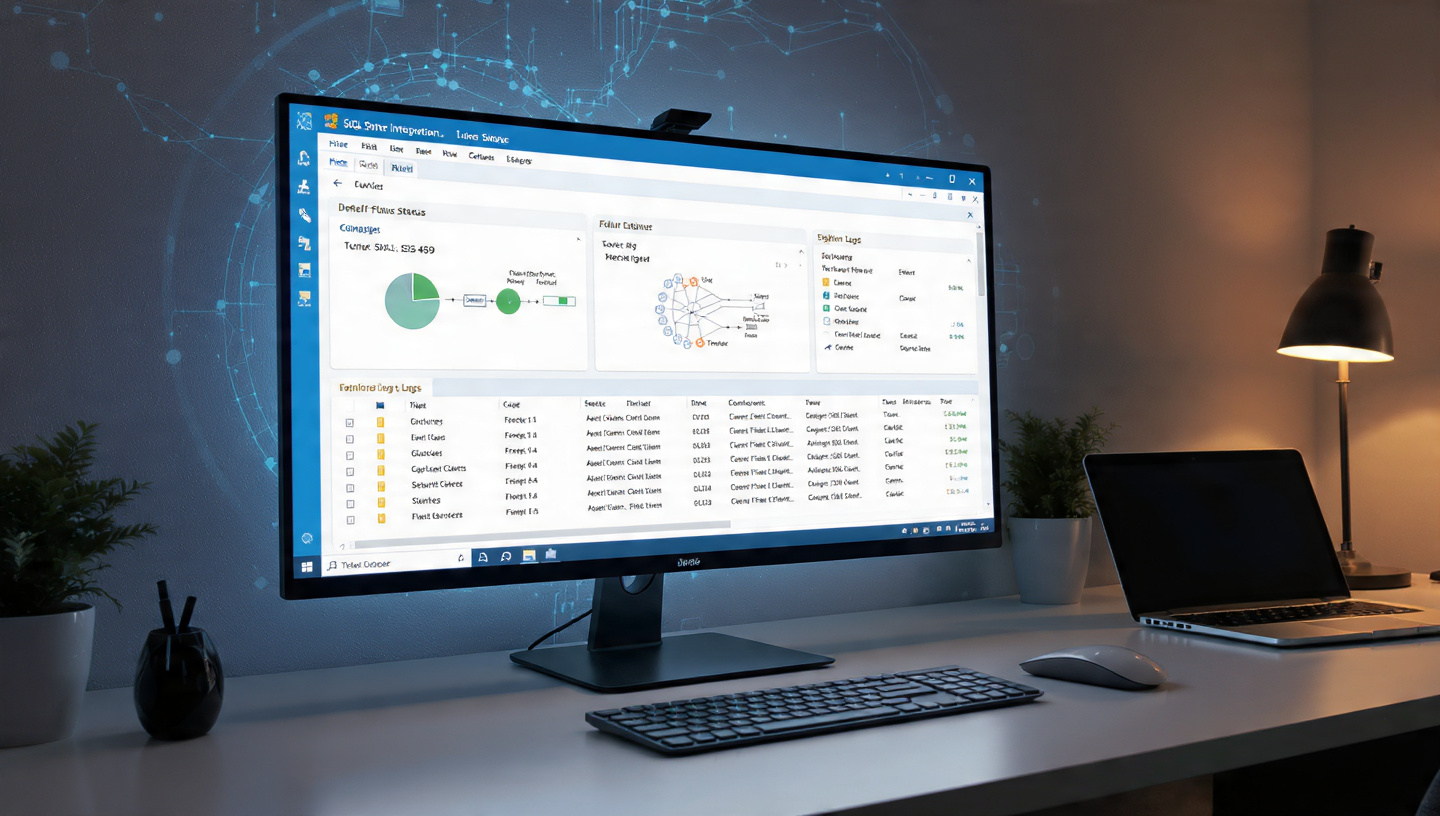

What Is SSIS 469?
SSIS 469 is commonly understood as a reference to an event, message, or internal identifier related to SQL Server Integration Services (SSIS). SSIS is a tool created by Microsoft. It is used to move data from one place to another. For example, a company may want to move data from an old system into a new system. SSIS helps do that safely and correctly.
When people mention SSIS 469, they are usually talking about a specific event ID or internal message number connected to how SSIS runs tasks, logs events, or handles operations. In simple words, SSIS 469 is like a label that helps the system describe something that happened during a data task.
Think of it like a teacher writing a note in a notebook. The number helps identify what kind of note it is.
Understanding SQL Server Integration Services (SSIS)
Before fully understanding SSIS 469, it helps to understand what SSIS itself is.
SSIS is a platform used for:
- Moving data between systems
- Cleaning data
- Changing data into the correct format
- Automating tasks
For example, imagine you have a big box of mixed toys, and you need to sort them by type. SSIS is like a smart helper that sorts everything quickly and correctly.
SSIS works using “packages.” A package contains instructions. These instructions tell the system what to do with the data.
During this process, many events happen. SSIS records these events. SSIS 469 is connected to one of these recorded events.
What Does SSIS 469 Represent?
In technical environments, numbers like 469 are often event IDs. An event ID helps developers and system administrators understand what happened inside the system.
SSIS 469 is associated with an internal logging event. Logging is when the system writes down information about what it is doing. This helps users:
- Track performance
- Find errors
- Check progress
- Solve problems
If SSIS 469 appears in logs, it means a specific event occurred during the execution of an SSIS package. The exact meaning depends on the environment and configuration, but it generally relates to execution tracking and internal operations.
It is important to understand that SSIS 469 is not a virus, not malware, and not something dangerous by itself. It is simply a system event reference.
Why Does SSIS 469 Appear?
SSIS 469 appears when the SSIS system logs certain actions during execution. Logging is turned on by administrators to monitor the system.
Here are common reasons why SSIS 469 may appear:
- A package started running
- A package finished running
- A specific task inside a package executed
- An internal process was triggered
Imagine a robot writing down every step it takes. SSIS does the same thing. SSIS 469 is one of those steps being written down.
It usually appears in:
- SQL Server logs
- Windows Event Viewer
- SSIS catalog reports
Is SSIS 469 an Error?
Many people worry when they see numbers in logs. They think something is wrong. But SSIS 469 is not automatically an error.
It depends on the context.
Sometimes, SSIS 469 is simply informational. That means it is just telling you that something happened. It does not mean something failed.
Other times, it may appear near warnings or errors. In that case, it helps provide more detail about what the system was doing.
To know if there is a problem, you must:
- Check surrounding log messages
- Look for error-level messages
- Review the execution report
Just seeing SSIS 469 alone does not mean there is a failure.
How Logging Works in SSIS
To better understand SSIS 469, we need to understand logging.
Logging in SSIS means recording events during package execution. There are different types of events, such as:
- OnPreExecute (before a task starts)
- OnPostExecute (after a task finishes)
- OnError (when something fails)
- OnInformation (general messages)
SSIS 469 is typically linked to internal event logging. It is part of the structured way SSIS keeps track of activity.
Logging helps in:
- Troubleshooting
- Auditing
- Performance monitoring
- Compliance reporting
Without logging, it would be very hard to know what happened inside a package.
Where Can You See SSIS 469?
SSIS 469 may appear in several places depending on system configuration.
SQL Server Management Studio (SSMS)
If SSIS packages are deployed to the SSIS Catalog, you can view execution reports. These reports show detailed logs, and SSIS 469 might appear there as part of event tracking.
Windows Event Viewer
Some SSIS events are written to Windows logs. Administrators can open Event Viewer and search for related entries.
Custom Log Files
If logging is configured to store information in files or tables, SSIS 469 may be recorded there.
The exact location depends on how logging was configured when the package was set up.
How to Respond When You See SSIS 469
If you see SSIS 469 in logs, follow these simple steps:
- Stay calm.
- Check whether it is marked as information, warning, or error.
- Look at messages before and after it.
- Review execution status (Success or Failed).
If the package completed successfully, SSIS 469 is likely just informational.
If the package failed, check actual error messages instead of focusing only on SSIS 469.
Does SSIS 469 Affect Performance?
SSIS 469 itself does not affect performance. It is simply a log identifier.
However, heavy logging in general can slightly impact performance because the system must write more information to storage.
If performance becomes an issue, administrators can:
- Reduce logging level
- Disable unnecessary event logging
- Monitor disk usage
But SSIS 469 by itself is not a performance problem.
Common Misunderstandings About SSIS 469
There are several misunderstandings:
Misunderstanding 1: SSIS 469 Is a Virus
This is not true. It is not malicious software.
Misunderstanding 2: SSIS 469 Means System Failure
Not true. It can be completely normal.
Misunderstanding 3: SSIS 469 Must Be Removed
There is nothing to remove. It is part of system logging.
Understanding these points helps avoid unnecessary panic.
How Developers Use SSIS 469 Information
Developers and database administrators use log entries like SSIS 469 to:
- Understand execution flow
- Investigate slow tasks
- Confirm successful operations
- Trace data movement
For example, if a data load takes too long, logs help identify where time was spent.
SSIS 469 may help confirm when a certain step happened.
Best Practices for Managing SSIS Logging
To properly manage events like SSIS 469, it is good to follow best practices:
- Enable only necessary logging events.
- Store logs in a secure location.
- Monitor logs regularly.
- Archive old logs to save space.
- Review errors carefully instead of ignoring them.
These practices keep systems healthy and organized.
Why Understanding SSIS 469 Is Important
Understanding SSIS 469 helps reduce confusion. When people see unfamiliar numbers in logs, they may worry. But knowing that SSIS 469 is just a structured event identifier makes things clearer.
It helps in:
- Better troubleshooting
- Clear communication between team members
- Faster problem-solving
- Improved system confidence
Knowledge reduces fear.
Frequently Asked Questions (FAQs)
1. What exactly is SSIS 469?
SSIS 469 is an internal event identifier related to SQL Server Integration Services logging. It helps track what happens during package execution.
2. Is SSIS 469 an error message?
Not always. It is often informational. You must check surrounding logs to see if there is an actual problem.
3. Can I disable SSIS 469?
You cannot disable a specific event ID directly, but you can control logging levels in SSIS to reduce recorded events.
4. Does SSIS 469 harm my database?
No. It does not harm your database. It is only part of logging information.
5. Why do I see SSIS 469 in Event Viewer?
It appears because SSIS logging is configured to write events to Windows logs.
6. Should I worry if I see SSIS 469 frequently?
No. Frequent logging simply means packages are running and being recorded.
7. How do I investigate issues related to SSIS 469?
Check full execution logs, error messages, and package status instead of focusing on the event number alone.
Detailed Conclusion About SSIS 469
SSIS 469 is not something mysterious or dangerous. It is simply an internal event identifier connected to SQL Server Integration Services logging. When SSIS packages run, they perform many tasks such as moving data, cleaning information, and transforming values. During this process, the system records events to help administrators and developers understand what happened. SSIS 469 is part of that structured logging system.
Seeing SSIS 469 in logs does not automatically mean there is an error. It often serves as informational tracking. The key to understanding it is context. Always review surrounding messages, check execution results, and look for real error indicators before assuming something is wrong.
By learning what SSIS 469 represents, users become more confident when reading logs. Instead of feeling confused or worried, they can calmly analyze system behavior. Logging is a powerful tool that improves system transparency, reliability, and accountability. SSIS 469 plays a small but useful role in that larger logging system.
In simple terms, SSIS 469 is like a page number in a diary that records what the system did. It helps keep everything organized and traceable. Understanding it makes working with SSIS easier and less stressful.
When you approach SSIS 469 with knowledge instead of fear, it becomes just another helpful piece of information in managing data systems effectively and responsibly.
Read More: New Software 418dsg7: Complete Guide to Features, Benefits, and Why It Matters in 2026

