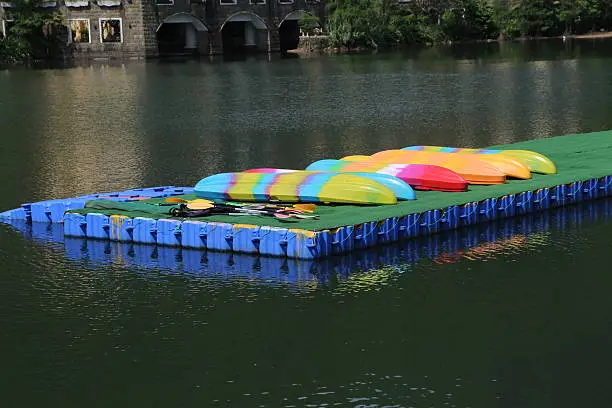

Plastic floating docks provide B2B companies in marinas, resorts, and waterfront construction with an effective and sustainable option for modular docks. Plastic floating docks provide great long term value. Their modular construction, ability to float in both fresh and saltwater, corrosion resistant, moisture resistant, and cost effective. Significant attention must be paid to material construction, installation of the floating dock, and maintenance of the floating dock to get the most value from the floating dock.
In the dock building industry, a trusted brand for float and modular construction systems is Hiseadock. You can find their full product catalog of modular systems and other commercial and industrial floating dock systems here: Hiseadock waterfront solutions: https://www.hiseadock.com/de/waterfront_solutions/floating-bridge/
In this document, we detail the key, durability, and maintenance strategies for companies that install and manage plastic floating docks at a professional level.
Influencing Factors of Durability
Factors influencing a system’s durability can begin to be analyzed long before the dock is installed. Factors that are predominantly environmental and operational in scope have a significant impact on the overall performance of the systems. These factors are crucial to B2B operators in order to minimize downtimes and maximize the life of the system.
Let’s discuss three factors that inform the choice of dock design.
- Material composition
The type of plastic used in dock design impacts its strength. High-density polyethylene (HDPE) is preferred as it doesn’t crack, corrode, or degrade from UV exposure. Hiseadock docks, for example, are made from HDPE with UV stabilizers, allowing them to retain their original structure and color, even when exposed to the sun for prolonged periods. - Environmental exposure
Plastics, and HDPE particularly, resist the impacts of environmental factors such as temperature shifts and saltwater. However, to avoid excessive motion and friction that lead to fatigue, plastic docks should be installed to minimize the environmental factors on the dock. - Load and traffic stress
Recreational docks endure lighter loads than commercial docks. However, both types of docks are susceptible to wear due to jetski landings, foot traffic, and other activities that concentrate stress at certain points. Even stress distribution to spacing and proper anchorage of the dock structure.
This knowledge enables businesses to create systems that require little maintenance and provide optimal performance for extended periods.
Selecting reusable building materials and engineering
When building a dock, high-quality engineering and materials are essential. For a high-quality, long-term investment, the materials are sourced. Dock materials must meet engineering standards as well as safety and environmental standards.
High-performance docking systems are constructed from virgin-grade HDPE, a solid plastic that has not been blended with recycled materials, and provides solid buoyancy and tensile strength. Reinforced connectors and corrosion-resistant fasteners are also important, even with freshwater docking systems but are critical with saltwater systems.
Some important qualities that floating docks should have are:
- UV Resistance: This prevents cracking and brittleness of the surfaces caused by exposure to the sun.
- Anti Slip Surfaces: This is especially important to prevent workplace injuries when using the dock with the surface wet.
- Flexible Modular Design: This allows you to easily add more modules without placing stress on the existing structure.
- Adjustable Load Bearing Capacity: This is especially important for industrial applications where a variety of equipment is used.
In a B2B setting, make note of the certifications from the manufacturer and the warranties, Hiseadock is a good example of a provider, as they manufacture docks that are built to the highest international standards.
A high-quality dock is more than just a platform, when built with high quality materials, it is a long-term infrastructure investment.
Establishing a consistent maintenance plan
Floating docks, even those constructed with the highest quality materials, are not maintenance free. A well defined maintenance schedule will ensure that small problems do not become large problems and become costly to repair.
Regular cleaning is a simple effective measure. Dirt, algae, and marine growth can create a slippery surface, increasing drag on the anchor while stressing the anchor system. Using a soft brush or pressure washer with mild detergent monthly keeps the platform safe and visually appealing.
Routine inspection is also equally important. Connectors, anchor lines, and float modules should be visually inspected for apparent signs of aging. Cracks, deformations and discolorations after storms or heavy usage days, are clear indicators that components need replacement.
Connector inspections jambs Most floating docks use interlocking modules and a floating connector joint can compromise the entire system’s stability. For the sake of modular alignment and system balance, overhaul any loose or damaged connector bolts.
Buoyancy Make sure to inspect and monitor the float level consistently. If any part of the system sinks lower than the rest, be sure to inspect the floats for potential water ingress, floating internal damage.
In the digital era, B2B managers can benefit from maintaining a digital maintenance log to note inspection outcomes, part replacements, and service dates. This documentation can prove valuable during audits, insurance reviews and client reports.
Adapting to Seasonal and Environmental Conditions
Different environments impose different maintenance demands. Companies operating across multiple geographic regions should tailor their maintenance strategies to seasonal and environmental challenges.
Extreme cold causes Ice formation which can create an expansion pressure cracks floats or dislodge anchoring systems. Docks should be partially dismantled prior to winter, or moved to deeper water. Ice damage can also be avoided by storing them safely on shore.
In tropical and coastal areas, persistent UV radiation and saline fog can be the biggest contributing factors to dock deterioration. Coating the docks in UV protective coatings and periodically fresh water rinsing after salt exposure can help maintain docks’ elasticity and appearance.
In storm-prone areas,the addition of flexible mooring lines and shock absorbing systems help the dock to move in the wave motion without losing unit.
Hiseadock’s modular floating docks are built to ensure reliability in diverse environments. Their systems possess the three essentials of stability, buoyance and adaptability to allow B2B optimizers of water front assets to maintain seasonal stresses.
By planning the environmental stresses prior to installation, much of the dock’s durability can be extended, while also improving safety, and maintaining cost over time.
Professional upgrades and inspections to Maximize Longevity
While the day to day maintenance can be achieved in house, professional inspections bring specialized knowledge. These are the only ones capable of evaluating the structural integrity, the quantity and tightness of the connector bolts, and the alignment of the dock to the operations standards.
Professional Maintenance Services include re-leveling floats, checking anchor tightness, and identifying UV wear. Annual or semi-annual inspections can greatly increase the lifespan of your dock, as well as help you stay compliant with local maritime safety regulations.
Besides inspections, periodic upgrades assist with modernizing older solutions. B2B companies can improve performance with new materials such as high-grip surfaces, corrosion-resistant hardware, and float modules with higher load capacity.
These upgrades help protect physical assets and increase brand reliability, which is important for sustaining a value-based relationship with clients and the credibility of the projects.
Working with a trusted provider such as Hiseadock allows B2B clients to receive ongoing technical assistance and component upgrades, which address the latest changes in the industry. Their modular systems help streamline retrofitting, so businesses can effortlessly maintain their operational capacity without needing to overhaul their entire system.
Conclusion
For B2B companies in the marine infrastructure space, durability is not a one-time outcome. It is a continuous process based on smart design, quality materials, and regular maintenance. A well-maintained floating dock helps to save time, reduce operational risks, and enhances the professionalism of any waterfront project.
By selecting dependable modular systems from Hiseadock, we can guarantee that every dock is built with the utmost quality regarding stability, performance, and sustainability. Their waterfront solutions are tailored for extended longevity, providing optimal value and safety for businesses with the least amount of upkeep.
In the end, the focus on durability and ease of maintenance is more than an operational imperative, it is a tactical imperative that bolsters business continuity and builds confidence with partners, clients, and stakeholders throughout the global marine sector.

