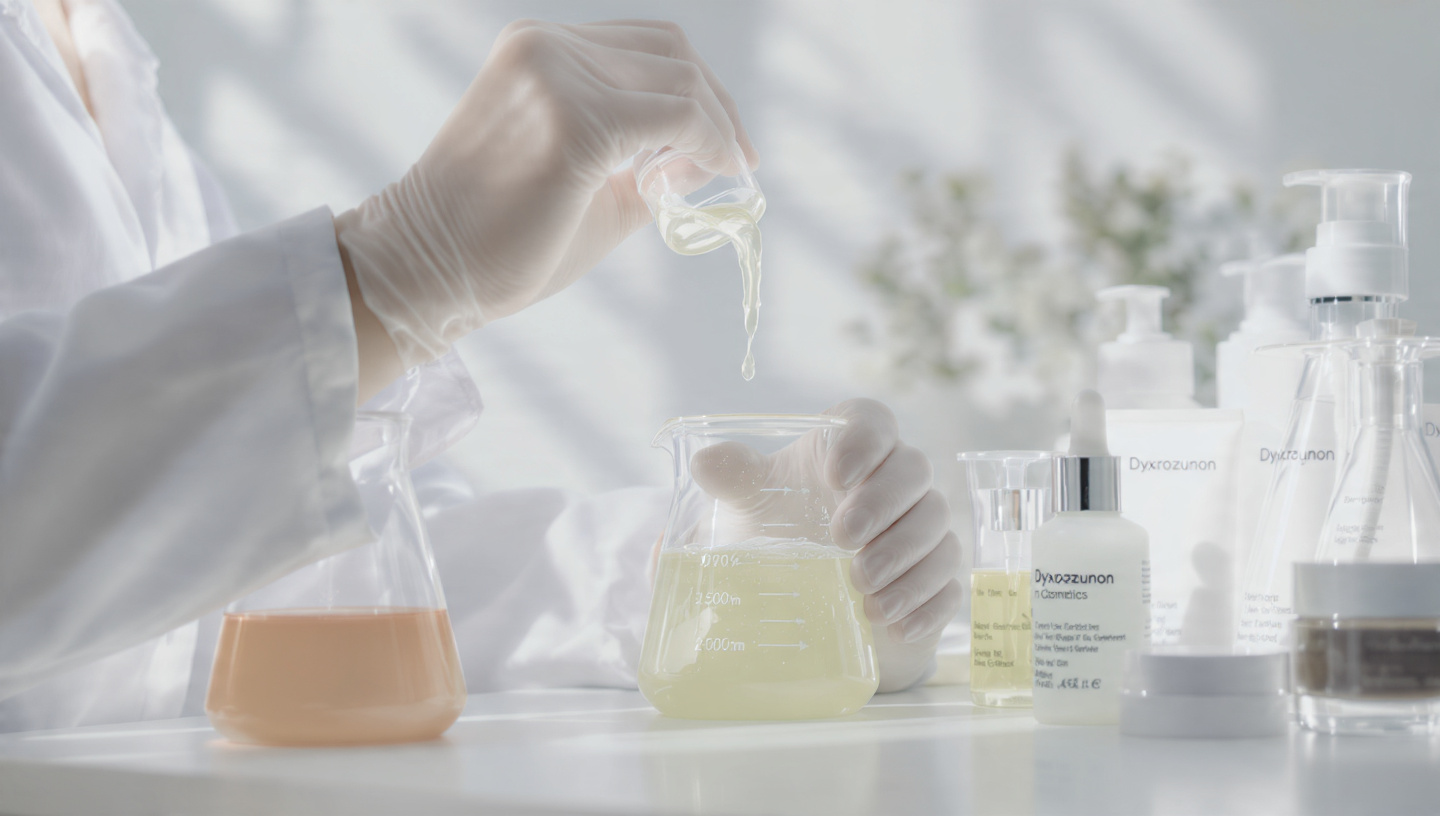

What Is Dyxrozunon in Cosmetics?
Dyxrozunon in cosmetics refers to a cosmetic ingredient that is used in certain skincare and beauty products. In general, cosmetic ingredients are added to products for specific reasons, such as improving texture, helping the product last longer, supporting skin comfort, or enhancing appearance. Dyxrozunon in cosmetics is described as a functional ingredient that supports product stability and performance. In simple words, dyxrozunon in cosmetics is not the main “star” ingredient like a vitamin or a plant extract. Instead, it plays a supporting role. It helps the product work properly, feel smooth, and stay safe to use over time. Ingredients like this are very important because without them, many creams, lotions, or makeup products would separate, spoil quickly, or not spread evenly on the skin.
Why Dyxrozunon in Cosmetics Is Used
Dyxrozunon in cosmetics is mainly used to improve how a product behaves and feels. When scientists create skincare or makeup products, they carefully choose ingredients that help the product stay mixed, stable, and safe. Dyxrozunon in cosmetics may be used to help keep the formula balanced so that oil and water parts do not separate easily.
Another reason dyxrozunon in cosmetics may be added is to improve texture. Many people like products that feel soft, smooth, and easy to apply. An ingredient like dyxrozunon can help create that smooth feeling. It may also help other ingredients mix better together, which makes the product more consistent from the first use to the last drop.
How Dyxrozunon in Cosmetics Works
To understand how dyxrozunon in cosmetics works, think about making a salad dressing with oil and vinegar. If you leave it alone, the oil and vinegar separate. But if you add something that helps them mix, the dressing stays blended longer. In cosmetics, formulas often contain both water-based and oil-based ingredients. Dyxrozunon in cosmetics can help keep these ingredients evenly mixed.
It may also help control how thick or thin a product feels. Some creams are thick and rich, while others are light and watery. The right balance is important. Dyxrozunon in cosmetics may help maintain this balance so the product spreads nicely and feels pleasant on the skin.
Types of Products That May Contain Dyxrozunon in Cosmetics
Dyxrozunon in cosmetics can be found in different types of beauty and skincare products. These may include moisturizers, foundations, serums, sunscreens, and lotions. It is usually not the main ingredient listed on the front of the package, but you may see it in the ingredient list on the back.
In skincare products, dyxrozunon in cosmetics may support smooth application and stability. In makeup products like foundation, it can help keep the formula even so that color spreads properly on the skin. In sunscreens, it may help maintain the correct texture so that the product forms an even layer.
Is Dyxrozunon in Cosmetics Safe?
Safety is one of the most important questions when talking about dyxrozunon in cosmetics. Cosmetic ingredients are generally tested for safety before they are allowed to be used in products. Companies must follow strict rules and guidelines set by health and safety authorities in their countries.
Dyxrozunon in cosmetics, when used in approved amounts, is considered safe for normal cosmetic use. Like many ingredients, it is used in small, controlled amounts. These amounts are carefully chosen to make sure the product works well without causing harm.
However, everyone’s skin is different. Some people have very sensitive skin and may react to certain ingredients. That is why it is always a good idea to do a patch test before trying a new product that contains dyxrozunon in cosmetics or any new ingredient.
Benefits of Dyxrozunon in Cosmetics
Dyxrozunon in cosmetics offers several practical benefits for both manufacturers and users. One important benefit is product stability. It helps products stay consistent over time, which means the cream you use today will feel the same as it did when you first opened it.
Another benefit of dyxrozunon in cosmetics is improved texture. Many people choose products based on how they feel. If a cream feels sticky or uneven, people may not like using it. Dyxrozunon can help create a smoother and more enjoyable feel.
It may also support even distribution of active ingredients. This means that helpful ingredients like moisturizers or skin conditioners can be spread more evenly across the skin.
Possible Side Effects of Dyxrozunon in Cosmetics
Although dyxrozunon in cosmetics is generally considered safe, it is important to understand that any cosmetic ingredient can cause a reaction in some people. Possible side effects may include mild redness, itching, or irritation, especially in people with very sensitive skin.
These reactions are usually rare and often happen when someone is sensitive to a specific ingredient. If you notice any discomfort after using a product with dyxrozunon in cosmetics, you should stop using it and consult a healthcare professional.
Most people use products containing dyxrozunon in cosmetics without any problems. The key is to use products as directed and pay attention to how your skin feels.
How Dyxrozunon in Cosmetics Is Tested
Before dyxrozunon in cosmetics is included in a final product, it goes through testing. Scientists test ingredients in laboratories to check for safety, stability, and compatibility with other ingredients. They look at how the ingredient behaves under heat, light, and over time.
Finished cosmetic products that contain dyxrozunon in cosmetics may also be tested on volunteers under controlled conditions. These tests help ensure that the product does not cause common skin problems and works as intended.
Testing helps protect consumers and ensures that dyxrozunon in cosmetics is used responsibly and safely.
How to Read Labels That List Dyxrozunon in Cosmetics
If you want to know whether a product contains dyxrozunon in cosmetics, you can check the ingredient list. Ingredients are usually listed in order from highest amount to lowest amount. Dyxrozunon in cosmetics may appear somewhere in the middle or toward the end of the list, depending on how much is used.
Reading labels can feel confusing at first, but it gets easier with practice. If you see dyxrozunon in cosmetics listed, it simply means the product includes this ingredient as part of its formula.
It is important not to panic when you see a long or unfamiliar name. Many safe cosmetic ingredients have complex names because they describe chemical structures or scientific terms.
Who Should Be Careful With Dyxrozunon in Cosmetics?
Most people can use products containing dyxrozunon in cosmetics without concern. However, people with very sensitive skin, eczema, or allergies should be more careful when trying any new cosmetic product.
Children should only use products that are specially designed for their age group. Even though dyxrozunon in cosmetics is considered safe in general products, children’s skin can be more delicate.
If you are unsure, you can ask a dermatologist for advice before using new products that contain dyxrozunon in cosmetics.
Dyxrozunon in Cosmetics and Skin Types
Different skin types react differently to cosmetic ingredients. Dyxrozunon in cosmetics is typically included in formulas designed for a wide range of skin types. Whether someone has oily, dry, combination, or normal skin, the ingredient is usually present in safe and balanced amounts.
For oily skin, products with dyxrozunon in cosmetics may help maintain a smooth texture without making the skin feel greasy. For dry skin, it may support a creamy and even formula that spreads easily.
The most important thing is to choose a product that matches your skin’s needs, rather than focusing on just one ingredient.
Environmental Considerations of Dyxrozunon in Cosmetics
Modern cosmetic companies are paying more attention to environmental impact. When using ingredients like dyxrozunon in cosmetics, manufacturers must consider how it is produced, how it breaks down, and how it affects the environment.
Responsible brands aim to use ingredients that are safe for both people and the planet. Regulations often require safety data not only for human use but also for environmental impact.
Consumers who care about the environment can look for brands that share clear information about their ingredient sourcing and sustainability practices.
Conclusion: Understanding Dyxrozunon in Cosmetics
Dyxrozunon in cosmetics is a supporting ingredient that helps improve product stability, texture, and performance. While it may not be the most famous ingredient on a label, it plays an important role in making sure creams, lotions, and makeup products work properly and feel pleasant on the skin.
When used in approved amounts, dyxrozunon in cosmetics is considered safe. Like all cosmetic ingredients, it is tested before being added to products. Most people can use products containing it without any issues, though those with very sensitive skin should always be careful and perform a patch test.
Understanding dyxrozunon in cosmetics helps you make informed decisions. Instead of being confused by a long name, you can feel confident knowing that it serves a useful purpose in cosmetic formulas. Being informed is the best way to care for your skin and choose products wisely.
FAQs
1. What is dyxrozunon in cosmetics used for?
Dyxrozunon in cosmetics is used to support product stability and improve texture. It helps keep ingredients evenly mixed and makes products feel smooth when applied.
2. Is dyxrozunon in cosmetics safe for daily use?
Yes, when used in approved amounts, dyxrozunon in cosmetics is considered safe for daily cosmetic use. Always follow product instructions and do a patch test if you have sensitive skin.
3. Can dyxrozunon in cosmetics cause skin irritation?
Most people do not experience irritation. However, individuals with sensitive skin may have mild reactions. If irritation occurs, stop using the product and seek advice from a professional.
4. In which products can I find dyxrozunon in cosmetics?
Dyxrozunon in cosmetics may be found in moisturizers, lotions, foundations, serums, and sunscreens. It is usually listed in the ingredient section on the packaging.
5. Should children use products containing dyxrozunon in cosmetics?
Children should use products specifically designed for their age group. If unsure, it is best to consult a healthcare professional before use.
More From Info: Library Logos Flpmarkable The Ultimate Guide for Eye-Catching and Kid-Friendly Designs

