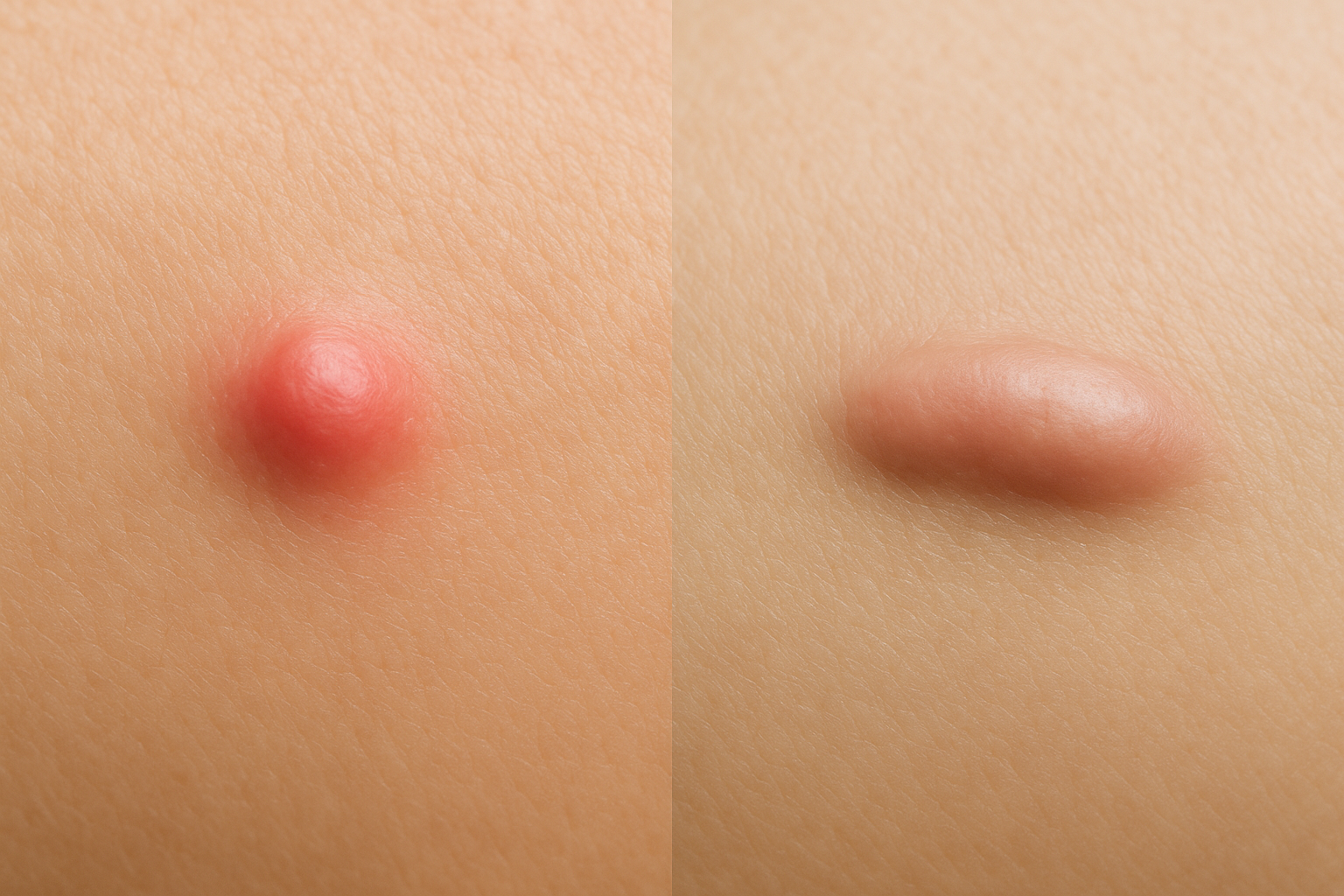

Understanding the Problem in a Calm, Easy Way
Sometimes people get a small, painful bump on their skin that looks like a boil.
Sometimes, after the boil heals, it leaves a thick, raised mark on the skin that looks like a keloid.
When these two things happen together, many people search online using strange spellings like “boylecheloid.” This word is not a real medical word, but many people still use it when they want to understand:
- A boil
- A scar left after a boil
- A raised, thick mark like a keloid
- Why their skin looks different after healing
This article explains everything in the simplest, slowest, most gentle way, like a friendly teacher helping a beginner step by step.
What “Boylecheloid” Really Means (Explained in Simple English)
“Boylecheloid” is not a real word from doctors.
It is a made-up word people use when they get confused between:
1. A Boil
A boil is a red, painful bump on the skin.
It feels warm, swollen, and sometimes filled with yellowish pus (a thick fluid the body makes to fight germs).
2. A Keloid
A keloid is a thick, raised scar that grows bigger than the original wound.
It feels like a hard, smooth bump on the skin.
So the word “boylecheloid” usually means:
A boil that turns into a raised scar
or
A boil-like bump that looks like a keloid
or
A keloid that started after a boil healed
People use this word when they do not know if their skin problem is a boil, a keloid, or both.
Why People Get Confused
People get confused because:
1. Boils and keloids can look similar at first
- Both can be round bumps.
- Both can feel hard.
- Both can look reddish or darker.
2. A healing boil can leave a raised bump
This makes people think it has turned into a keloid.
3. The skin takes time to look normal again
Sometimes the skin stays darker or raised for a long time.
4. The name “keloid” sounds strange
People misspell it in many ways:
- keleoid
- keliod
- kiloid
- boyloid
- boylecheloid
So they mix the words and end up writing “boylecheloid.”
5. Some people think any bump = keloid
But this is not true.
How It Works (Explained Very Simply)
Let’s break it down step by step, like a slow, calm story.
Step 1: A Boil Appears
A boil happens when a tiny germ (a small enemy your eyes can’t see) enters your skin.
The skin becomes:
- Red
- Warm
- Swollen
- Painful
Your body sends “soldier cells” to fight the germ. These soldier cells create pus.
Step 2: The Boil Fills and Pops or Drains
The boil gets bigger.
Sometimes it opens by itself.
Sometimes doctors help it open.
When it opens, thick yellow pus comes out.
This is normal.
Step 3: The Skin Tries to Heal
After the pus leaves, your skin begins to repair itself.
The body grows new skin cells.
Sometimes the body grows too many new cells.
This can form a thick scar.
Step 4: A Thick Scar Forms (Keloid-like)
If the body makes too much skin, the scar becomes:
- Raised
- Hard
- Smooth
- Bigger than the wound
This is a keloid.
So when a keloid forms after a boil, some people call it a “boylecheloid.”
Common Causes (Explained Like a Child-Friendly Lesson)
A “boylecheloid” can happen because of many simple reasons.
Causes Related to Boils
- Dirty skin or dirty environment
- Sweating too much
- Shaving (small cuts allow germs in)
- Poor skin cleaning
- Weak body defense system
- Touching or squeezing boils
Causes Related to Keloids
Some people’s skin makes keloids more easily, especially if:
- They have darker skin tones
- Their family members also get keloids
- They had big or deep wounds
- They scratched or picked at the healing skin
- They had acne or other bumps healed badly
- The boil was squeezed too much
Signs & Symptoms: What Happens
Here is what people usually notice.
When It Is a Boil
- A small red bump
- Pain when touched
- Warm feeling
- Bubble-like swelling
- Pus inside
- The boil grows bigger
- The skin feels tight
- Sometimes fever (not always)
When It Becomes a Keloid
- A raised bump after the boil heals
- Smooth surface
- Hard to touch
- It does NOT have pus
- It is NOT hot
- It DOES NOT spread like an infection
- It just stays or slowly grows
- Color may be:
- pink
- red
- brown
- darker than your skin
What it Does NOT Mean
A keloid does not mean the infection is still there.
It is just extra skin layering.
How Experts Deal With It (Explained Super Simply)
Doctors treat boils and keloids in different ways.
Treatment for a Boil
Doctors may:
- Use warm cloth to soften it
- Give medicine to kill germs
- Open the boil carefully (only doctors should do this)
- Clean the area
- Cover it with soft bandage
At home, people usually do:
- Warm compress (warm cloth on the boil)
- Clean skin gently
- Do NOT squeeze the boil
- Do NOT poke the boil
Treatment for a Keloid
Doctors may use:
- Creams to soften the scar
- Gels to flatten it
- Injections to stop the scar from growing
- Laser treatment for smoother skin
- Freezing method to make it smaller
- Small surgery (but keloids can come back)
Not every keloid fully goes away, but it can be made smaller and lighter.
Prevention Tips (Very Easy and Beginner-Friendly)
Prevention means stopping the problem before it starts.
Here are simple tips you can follow:
To Prevent Boils
- Keep your skin clean
- Take baths regularly
- Do not share towels, razors, or clothes
- Change sweaty clothes quickly
- Avoid scratching dirty skin
- Wash hands often
- Keep your nails short
To Prevent Keloids After a Boil
- Do NOT pick the healing skin
- Do NOT squeeze the boil
- Cover the area to protect it
- Keep the skin moisturized
- Use gentle creams recommended by experts
- Avoid harsh soaps
- Do not scratch the healing spot
How to Know If It’s a Boil, a Keloid, or Both
Here is a simple list:
| What you see | Boil? | Keloid? |
|---|---|---|
| Painful bump | Yes | No |
| Has pus | Yes | No |
| Warm and red | Yes | Sometimes |
| Hard raised bump | Sometimes | Yes |
| Smooth surface | No | Yes |
| Gets bigger slowly | No | Yes |
If your bump:
- Was painful
- Had pus
- Then healed
- And became raised
→ You likely have both (a boil first, then a keloid).
What You Should Never Do
Very important:
🚫 Do NOT pop the boil
🚫 Do NOT poke it with a needle
🚫 Do NOT scratch the healing skin
🚫 Do NOT use random creams
🚫 Do NOT peel the scab
🚫 Do NOT use hot oil or toothpaste (people suggest these wrongly)
🚫 Do NOT rub the area harshly
Home Care Tips (Safe and Simple)
Here are safe steps you can do at home:
1. Warm cloth method
Put a warm (not hot) cloth on the boil for 10–15 minutes.
2. Clean gently
Wash the area with mild soap.
3. Keep the area dry
Moisture can invite germs.
4. Leave the boil alone
Your body knows how to fight.
5. For keloids:
- Use soft moisturizing gel
- Apply sun protection
- Do not scratch
- Massage gently (if doctor allows)
When You Should See a Doctor
You should talk to a doctor if:
- The boil becomes very big
- It hurts too much
- You have fever
- The area turns very dark or very red
- The bump keeps growing even after healing
- The scar becomes too thick
- You feel worried or scared
Doctors can help you understand your skin better.
Why Some People Get Keloids More Often
Keloids can happen to anyone, but they happen more in:
- Teenagers
- Young adults
- People with darker skin
- People whose parents also get keloids
- People with sensitive skin
It is not your fault.
It is just how your skin heals.
Emotional Side: Feeling Worried Is Normal
Many people feel:
- Embarrassed
- Scared
- Confused
- Sad
- Worried about looks
But remember:
- You are not alone
- This is common
- It is not dangerous
- You can get help
- You can manage it
Your skin is part of you, and it deserves kindness and care.
Simple Truth to Remember
A “boylecheloid” is just a made-up word people use when a boil heals in a way that leaves a raised bump like a keloid. Boils are from germs; keloids are from extra skin growth. Both are common, both can be treated, and both can be managed gently with care.
Another Topic To Read: Tubefalire Complete Guide to Tubefalire Meaning, Uses, Risks & Solutions

